
Blog
Your Annual Compliance Training Checklist

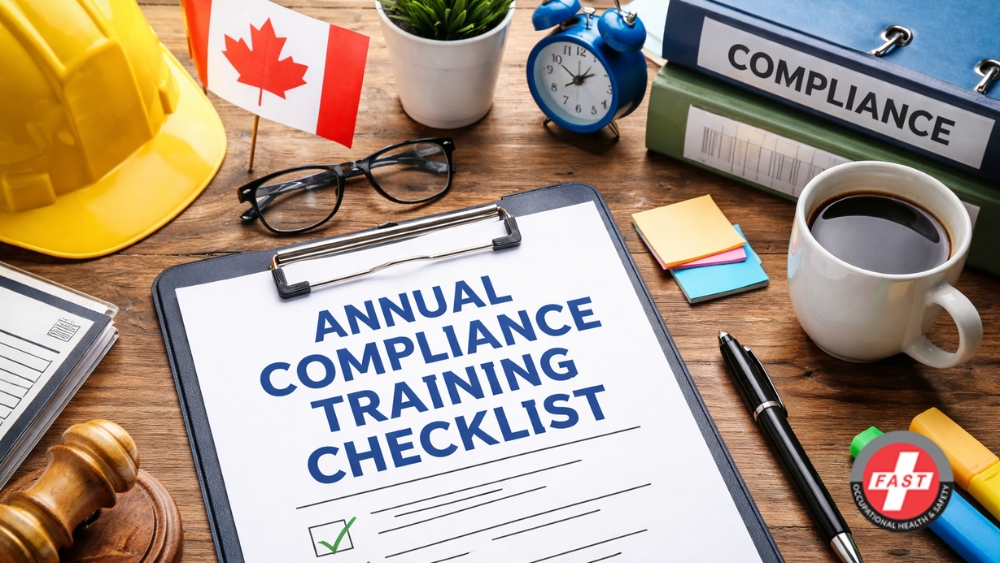
Annual training and compliance reviews are an essential part of maintaining a safe, organized, and legally compliant workplace. But knowing what needs to be reviewed — and when — can be challenging. Different courses expire at different times, policies require updates, and departments across the organization may have unique requirements. These needs can also vary by site, location, or province, especially when different operations follow different regulations, hazards, or training standards.
A clear, structured checklist helps ensure nothing gets overlooked. Whether you’re reviewing training for employees, volunteers, or contractors, having a consistent process helps organizations across Canada begin each year confident, compliant, and prepared.
This guide outlines the key elements that should be part of your annual compliance training checklist — and how a Training and Compliance System can help you stay organized throughout the year.
Because compliance requirements vary by workplace and jurisdiction across Canada, organizations remain responsible for identifying the training and policies that apply to their operations.
The Value of an Annual Compliance Training Checklist
Training and compliance requirements evolve throughout the year, and many organizations rely on a range of tools to keep track of them — spreadsheets for training records, email folders for certificates, and shared drives for policies and procedures. With multiple expiry dates, recertification requirements, and varying obligations across different sites, locations, departments, or provinces, it can be difficult to maintain a clear, up-to-date overview of everything that requires attention.
An annual checklist brings this information together in one structured process. It helps administrators review requirements consistently, confirm what needs to be renewed, and plan ahead — especially when compliance expectations differ across various parts of the organization.
A well-designed checklist makes it easier to see:
- Who has completed required training
- Which certificates are approaching expiry
- What policies need to be reviewed or re-signed
- Which departments or locations have unique requirements
- Whether workplace-specific training is current
By organizing these elements in one place, your annual review becomes more predictable, more accurate, and better aligned with your organization’s compliance responsibilities.
What Should Be Included in Your Annual Compliance Training Checklist?
Below is a practical overview of the key elements to include in your annual review. Many organizations use this process each January, but it can be applied at any time during the year based on your operational needs.
Core Health and Safety Training to Review Annually
Begin by reviewing the foundational training your organization relies on to support safe work practices. Depending on your industry, site, or job roles, this may include a combination of general and workplace-specific training:
- WHMIS — commonly renewed annually. Review both general WHMIS and workplace-specific WHMIS training based on site hazards and department needs.
- Workplace Violence, Harassment and Bullying
- Health and Safety Awareness
- PPE use and hazard recognition
- Orientation or refresher training when processes, equipment, or procedures have changed
Training needs can vary by site, department, or role, so your checklist should reflect differences in hazards, job tasks, and regulatory expectations across the organization.
Certification-Based Training and Staffing Requirements
In addition to general health and safety training, many roles require certifications or hazard-specific training that must be reviewed and refreshed on a defined cycle. Your annual review should include confirming expiry dates and renewal timelines based on your organization’s policies, standards, and work activities.
Depending on your organization’s policies, standards, and work activities, this may include:
- First Aid and CPR
- Fall protection training
- Equipment operation training (e.g., forklifts, MEWPs, overhead cranes)
- Confined Space Entry and related procedures
- Lockout/Tagout (LOTO) training
- Other hazard-based training relevant to your site or operation
- Confirming enough qualified personnel are scheduled across shifts, locations, or departments
Certification and training requirements often vary based on job tasks, equipment, and jurisdictional expectations. Reviewing these elements annually helps ensure staff remain qualified and that training coverage remains aligned with operational needs.
Health and Safety Committee or Representative Requirements
Depending on the size of your organization and the requirements in your jurisdiction, workplace safety may be supported by a Health and Safety Committee, a Health and Safety Representative, or a similar structure. Your annual review should include the training, responsibilities, and activities required for these individuals or groups to perform their role effectively. This may include:
- Training or refresher requirements
- Regular workplace inspections
- Incident or near-miss investigations
- Reviewing hazard trends or safety concerns
- Documenting safety observations, findings, or recommendations
Some jurisdictions require committee members or representatives to complete specific training or maintain certification on a defined schedule. Including these requirements in your annual checklist helps ensure your safety roles remain active, compliant, and aligned with workplace needs.
Role-Specific or Department-Specific Training
Different roles require different skills and levels of training. Your annual review should include a check of training that supports the responsibilities of each position, such as:
- Supervisory or leadership training
- Equipment- or task-specific training
- Ergonomics or office safety training
- Cybersecurity awareness for administrative or IT roles
- Department-level requirements based on hazards, tasks, or responsibilities
In many organizations, training varies by site, location, or reporting structure. Your checklist should account for these differences to ensure each area has the training needed to support safe and effective operations
Annual Policy Reviews and Signoffs
Policies and procedures can change throughout the year as organizations update processes, introduce new equipment, or respond to legislative or industry standards. Your annual checklist should include a review of all documents that guide work across the organization, ensuring staff are working with the most current and relevant information. This may include:
- Health and safety manuals
- Codes of conduct
- Emergency response procedures
- SOPs and task-specific procedures
- Updated workplace policies
Depending on your structure, some policies may vary by site, department, or job role. Staff should review and sign off on the most current versions to ensure expectations are clear and consistently applied across the organization.
Tracking Expiries, Renewals, and Version Control
Your annual checklist should also include a review of the records and renewal cycles that support ongoing compliance. This includes:
- Certificate expiry dates
- Policy and document version updates
- Training completion records
- Renewal cycles based on job role or department
- Requirements that vary by site or location
Reviewing these elements together helps ensure nothing is missed, prevents unexpected gaps in coverage, and supports smoother audits or inspections throughout the year.
How a Training and Compliance System Supports Your Annual Checklist
A Training and Compliance System brings your annual review together in one organized, centralized process, helping administrators stay prepared throughout the year. Key capabilities include:
Centralized Training Records
Training records, certificates, and policy signoffs are all stored in one place. Administrators can quickly confirm completion status, see who has outstanding requirements, and access the most current versions of assigned documents when needed.
Automated Reminders for Expiries
Automated reminders help reduce manual follow-up and keep staff on track. Notifications are sent based on your organization’s reminder settings, helping you stay ahead of upcoming training expiries and incomplete courses.
Annual Training Reassignments
Training such as WHMIS can be reassigned annually, ensuring staff receive updated content each year without the need for manual redistribution.
Streamlined Policy Signoffs
Policies and procedures can be added or revised in the system and reassigned to staff when needed. Organizations can also require employees to review and sign off on certain policies each year — even when the content hasn’t changed — to support internal standards, due diligence, or annual compliance requirements. Administrators can easily monitor completion status through system reporting, making it simple to confirm who has reviewed the most current information.
Reporting for Planning and Audits
Training and policy reports can be generated at any time to provide a clear view of completions, outstanding requirements, and upcoming expiries. Reports can be printed directly or exported in formats such as Excel, CSV, or PDF, making it easier to support annual planning, internal reviews, and audits with organized, easy-to-share data.
The Benefits for Managers and Staff
A Training and Compliance System supports both administrators and staff by creating a structured, predictable process for annual reviews and ongoing compliance throughout the year.
For managers:
- Clear visibility into upcoming expiries and outstanding training
- Less time spent searching for documents or updating spreadsheets
- More predictable renewal and reassignment cycles
- Better preparation for audits and internal reviews
For staff:
- Easy access to required training and policies
- Clear expectations at the start of each year
- Fewer delays or bottlenecks during busy review periods
- A consistent, organized process that supports accountability
Building a Culture of Continuous Compliance
When annual reviews are supported by a Training and Compliance System, compliance becomes part of everyday operations instead of a once-a-year effort. Staff stay informed, managers have ongoing visibility into training and policy requirements, and the organization can take a proactive approach to safety and compliance throughout the year.
Many organizations begin this process after struggling with annual policy and compliance reviews. If that sounds familiar, you may also find it helpful to explore Are Annual Policy and Compliance Reviews a Challenge for Your Organization?
Ready to Get Started?
Make annual compliance training reviews easier and more predictable.
Connect with F.A.S.T. Rescue — we’ll show you how a Training and Compliance System can support a more structured, consistent approach to managing training, policies, and compliance requirements.